The Most Frequent Appliance Problems and How Appliance Repair Services Can Help
Household appliances are essential to contemporary life, yet they frequently develop issues that can disrupt daily activities. Common issues include fluctuating refrigerator temperatures, washing machine drainage problems, and oven operational issues. Although these problems may appear overwhelming, qualified appliance repair technicians deliver specialized knowledge in detecting and addressing these issues promptly. Gaining familiarity with how these services work can deliver important guidance for keeping appliances in good condition and reducing repair costs. What key concerns should property owners monitor to minimize the risk of further issues?
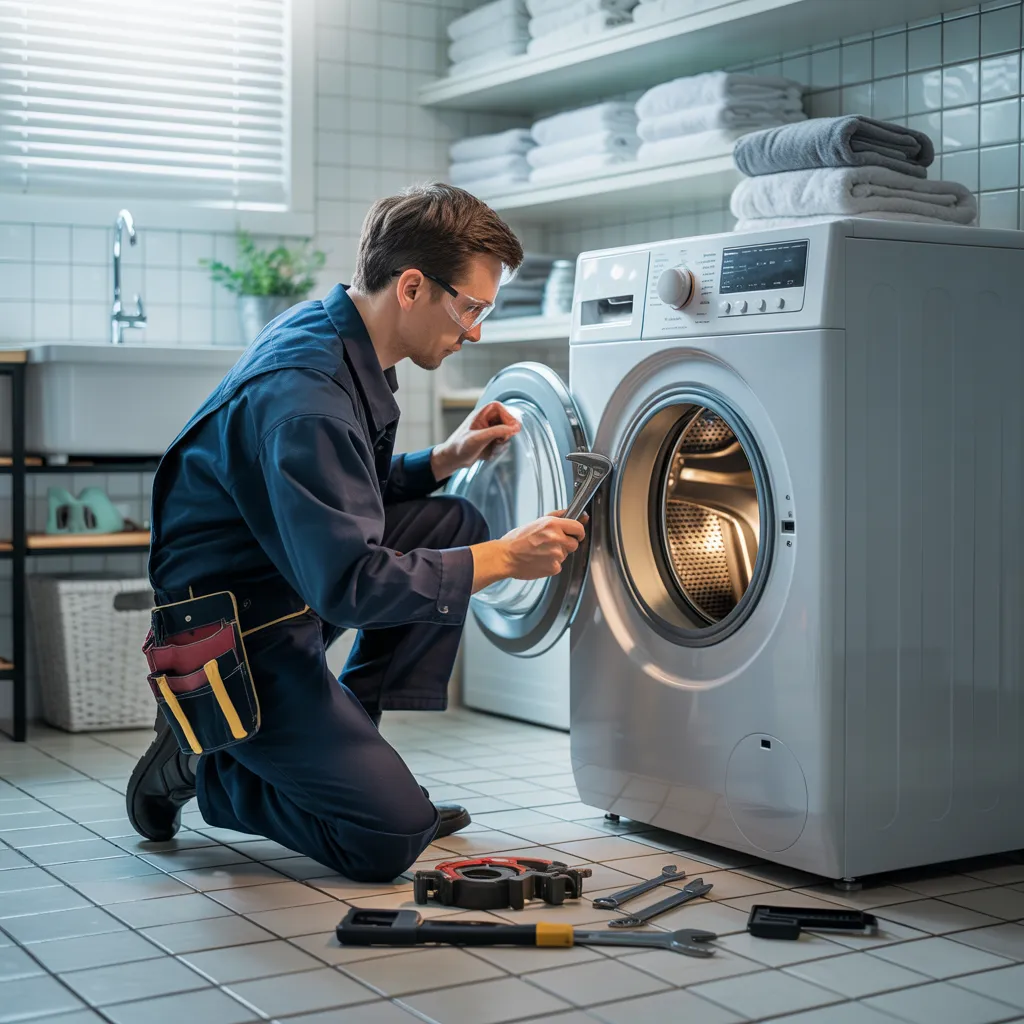
Spotting Typical Appliance Malfunctions
Many households experience appliance issues from time to time, making it crucial to identify common issues promptly. Common appliances including refrigerators, washing machines, and ovens may display signs of failure that, when overlooked, can result in costlier repairs. For instance, a refrigerator may fail to maintain a stable temperature, leading to food spoilage. Washing machines may develop leaks or unusual noises, indicating potential mechanical failure. Ovens may not heat evenly or may fail to turn on at all, leading to cooking frustrations. In addition, dishwashers may show signs of subpar cleaning efficiency or draining difficulties. Detecting these problems in a timely manner can help save both time and money over time. By staying informed about the usual indicators linked to appliance breakdowns, homeowners can make informed decisions on when to contact expert repair assistance, guaranteeing their appliances stay efficient and reliable.
How to Fix Common Refrigerator Issues
When tackling refrigerator issues, identifying common problems is the initial step toward resolution. Straightforward troubleshooting techniques can often resolve minor issues, making it important to understand these methods. However, understanding when to seek professional help can stop further deterioration and guarantee effective repairs.
Typical Refrigerator Concerns
Refrigerators are vital household appliances, and dealing with malfunctions can upset daily schedules. Frequent problems include inadequate cooling, where perishables may go bad due to insufficient cooling levels. Disruptive noises, including popping or buzzing, can point to mechanical problems. Furthermore, water leaks may result from blocked defrost drains or compromised door seals, leading to potential water damage. Another recurring concern is frost accumulation inside the freezer, which might stem from a malfunctioning thermostat or poor door closure. Additionally, unpleasant smells may emerge from rotten food or a defective evaporator fan. Recognizing these typical refrigerator issues can assist homeowners in detecting problems promptly and pursuing suitable repair solutions to efficiently restore performance.
Basic Troubleshooting Steps
Diagnosing refrigerator problems can typically be simple with some basic diagnostic measures. First, checking the power supply is essential; ensuring the unit is properly connected and the socket is working can resolve many issues. Following that, checking the temperature controls confirms they are properly set. If the refrigerator is too warm, checking the door gaskets for wear or buildup can help maintain proper cooling. Moreover, clearing the condenser coils, usually found at the rear or bottom of the appliance, can enhance performance. Should ice accumulate in the freezer compartment, defrosting may be necessary. Finally, listen for unusual noises, as they can indicate mechanical problems. These basic checks can often help identify and resolve common refrigerator issues effectively.
When to Reach Out to Experts
How can you tell when it's important to find specialized support for refrigerator issues? Indicators that suggest the need for professional help include continual temperature inconsistencies, unusual noises, or leaking water. If basic troubleshooting—like verifying the power connection and clearing the condenser coils—fails to resolve the problem, it may be advisable to reach out to an expert. Additionally, if the refrigerator is older and experiencing frequent breakdowns, investing in repair services could prevent further costs. Uncommon issues such as malfunctioning compressors or electrical failures generally demand expert knowledge and equipment. Experts not only identify issues accurately but also offer long-term solutions, guaranteeing the unit runs effectively and securely. Recognizing these signs can save time and potentially prevent costly repairs.
Advice for Resolving Washing Machine Problems
Although washing machines are designed for durability, they can encounter a range of issues that may affect their performance. To address common problems, users can first examine the power supply and ensuring that the appliance is powered and running correctly. If the machine is unable to take in water, it is important to check the water supply valves for obstructions or leaks. In addition, users should inspect the door closure mechanism; a defective latch can stop the unit from initiating a cycle.
When appliances experience excessive vibration, repositioning the leveling feet may help balance the machine. Consistent maintenance, like cleaning the filter and hoses, can also help avoid clogs and boost overall performance. Finally, when unusual noises occur, users should verify that items are not trapped in the drum. By adhering to these guidelines, people can commonly fix minor washing machine concerns before turning to professional repair specialists.
How to Detect Common Oven Malfunctions
What steps can homeowners take to diagnose common oven problems? To begin, they should begin now verify the power source. Making sure the oven is properly connected and the circuit breaker remains intact is critical. Following that, homeowners should review the temperature controls and verify they are properly configured. If the oven isn't heating, it may be beneficial to test the heating elements for continuity using a multimeter.
In addition, strange sounds during use could signal a mechanical problem, calling for a careful review of the fan or motor. Homeowners ought to also inspect the door seal for signs of wear, given that an inadequate seal can diminish cooking efficiency. Furthermore, looking for error codes on digital panels can help identify particular issues. By carefully examining these elements, homeowners can develop a stronger grasp of underlying issues, empowering them to articulate their observations precisely to appliance repair specialists if professional support is warranted.
Addressing Dishwasher Drainage Concerns
Diagnosing dishwasher drain complications calls for attentive examination and structured troubleshooting. When a dishwasher does not drain as expected, the issue typically stems from clogged filters or drain hoses. Users should first inspect the filter, given its tendency to collect food fragments and debris, blocking the passage of water. Thoroughly cleaning the filter may fix numerous drainage issues.
Next, checking the drain hose is essential. A bent or clogged hose can stop water from draining out of the appliance. Confirming that the hose is free of clogs will aid in restoring adequate drainage. Furthermore, checking the air gap, if one exists, can reveal blockages that hinder drainage.
In certain situations, the issue may be connected to the dishwasher's pump. If the pump is not functioning properly, it may necessitate skilled technicians to diagnose and address the problem. Early attention can prevent further complications and guarantee the appliance runs as intended.
Why You Shouldn't Delay Appliance Repairs
Delaying appliance repairs can cause serious problems for households. When appliances malfunction, even minor issues can escalate into major problems if not handled in a timely manner. For example, a minor leak in a refrigeration unit can eventually cause structural water damage, mold development, and rising energy expenses. Additionally, overlooking warning signs often causes a full system failure, demanding higher-cost repairs or full unit replacement.
Additionally, defective appliances can create significant safety hazards, such as electrical dangers or fire risks resulting from defective wiring. Residents may additionally face disruptions, such as interrupted everyday activities and a reduced quality of living. Swift repairs not only bring back full functionality but also increase the longevity of appliances, effectively reducing costs over time. Contacting appliance repair professionals quickly ensures that problems are identified precisely and addressed effectively, eliminating potential complications and safeguarding the well-being of the household.
Answers to Popular Questions
What Are the Best Ways to Prolong the Life of My Appliances?
To extend the lifespan of appliances, routine maintenance is crucial. Routine cleaning, refraining from overloading, guaranteeing adequate ventilation, and complying with manufacturer instructions can significantly improve their performance and lifespan, which ultimately results in savings of time and money in the future.
Is It Safe to Perform DIY Repairs on All Appliance Types?
DIY repairs are not universally safe for all appliance types. While some smaller issues are manageable without professional help, complex repairs often require professional expertise to prevent safety hazards and further damage to the appliance.
What Signs Indicate I Need Professional Appliance Repair?
Signs indicating the need for professional appliance repair encompass odd sounds, moisture issues, startup failures, unreliable operation, and diagnostic error codes. Early attention helps avoid further harm and keeps appliances running effectively and securely.
What Is the Typical Cost of Appliance Repair Services?
Appliance repair costs are generally between $100 and $300, varying according to the appliance and the specific issue involved. Factors such as parts needed, labor complexity, and geographical location can influence the final price considerably.
Can Scheduled Maintenance Prevent Appliance Breakdowns?
Regular maintenance helps effectively prevent appliance malfunctions by maintaining peak performance and identifying potential problems early. This preventative approach reduces the likelihood of costly repairs and prolongs the lifespan of household appliances.